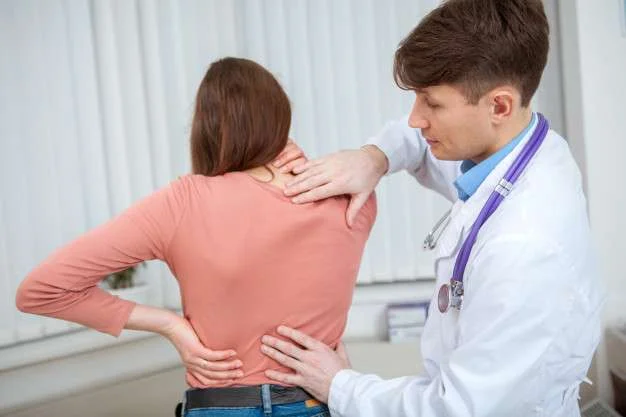
Scoliosis often begins during childhood or early adolescence. A timely diagnosis and treatment are vital to managing and preventing complications. Pediatric orthopedic surgeons are crucial in treating, diagnosing, and managing scoliosis. Their specialized education allows them to address the unique challenges of growing bones and developing spinal structures. This article explores how a Pediatric Orthopedic Surgeon can help improve a child’s quality of life and assist with managing scoliosis.
- Early Diagnosis And Diagnosis
The first step in managing scoliosis is to get a proper diagnosis. This typically begins with an examination, including imaging studies such as X-rays. Pediatric orthopedic surgeons are highly trained in scoliosis diagnosis and can determine its severity. The earlier scoliosis is detected, the better the chance of treating it.
- Scanning: Many pediatric orthopedic doctors recommend regular scoliosis screens, especially during growth spikes in adolescence. These screenings might occur during school hours or when a child visits a pediatrician for yearly checkups.
- Assessment of Curve progression: The surgeon determines the degree and severity of spinal curvature using the Cobb angles. Curves greater than 10° are considered to be scoliosis. Other curves can require close monitoring or intervention.
Early detection of cancer allows for prompt treatment and helps avoid the need for invasive procedures later on.
- Monitoring Mild Scoliosis
A pediatric orthopedic doctor may recommend a “watch and wait” approach for children diagnosed with mild scoliosis. This approach involves periodic checks to monitor progress, especially during growth spikes.
- Regular Aftercare: Every 4 to 6 weeks, the surgeon sets up follow-up appointments to monitor any changes to the curvature. This helps determine if or when more active treatments may be needed.
- Education of Parents and Children: The doctor informs parents and children about what to expect, possible signs of a worsening curvature, and strategies to keep the spine healthy. Understanding the condition allows parents to make informed treatment choices.
It is crucial to monitor young children with mild curvatures because the likelihood is that it will worsen as they age.
- Non-Surgical Treatment Options
If the scoliosis curve shows signs of progression, non-surgical treatments could be recommended to prevent it from progressing. Pediatric orthopedics offers a range of noninvasive options.
- Bracing: Bracing for scoliosis treatment is most commonly non-surgical. It’s essential to avoid the spinal curve worsening during rapid development. A pediatric surgeon will prescribe the brace for your child’s specific curve. They will also guide you on how long it must be worn daily. Bracing can be most effective for children who still grow and have curves between twenty and forty degrees.
- Lifestyle Modifications: Surgeons will suggest lifestyle modifications for mild scoliosis. These may include regular physical activity and exercises promoting core strength.
Non-surgical solutions are generally considered the first option for treating scoliosis. They offer a solution without the associated risks of surgery.
- Surgical Interventions For Severe Cases
Scoliosis may require surgery if it worsens despite non-surgical treatments or if its severity is high (usually greater than 45-50°). Pediatric orthopedic surgeons specialize in surgical procedures to correct significant spine curvatures and stop further progression.
- Spinal Fusion Surgery: Spinal Fusion Surgery is one of the most common surgeries for scoliosis. It involves joining at least two vertebrae to stabilize the back and reduce the curvature. Often, metal rods, screws, and wires are used to stabilize the spine until the bones fuse.
- Growth-friendly surgical options: Surgeons use growth-friendly methods for younger, growing children to correct curves while allowing the child to grow. Expandable rods can be adapted to the growing child, reducing the frequency of surgery.
Surgical intervention is often only considered when the potential risks of spinal curvature correction outweigh its benefits.
Conclusion
Pediatric orthopedic surgeons play a crucial role in scoliosis management. They provide various treatments, from monitoring to non-surgical therapy and surgical intervention when required. Their knowledge and experience in managing the unique needs of growing young children will ensure that scoliosis will be effectively treated, improving spinal health and quality of life. By working with pediatric orthopedic surgeons, families can rest assured that their child will receive the best possible scoliosis care regardless of severity.