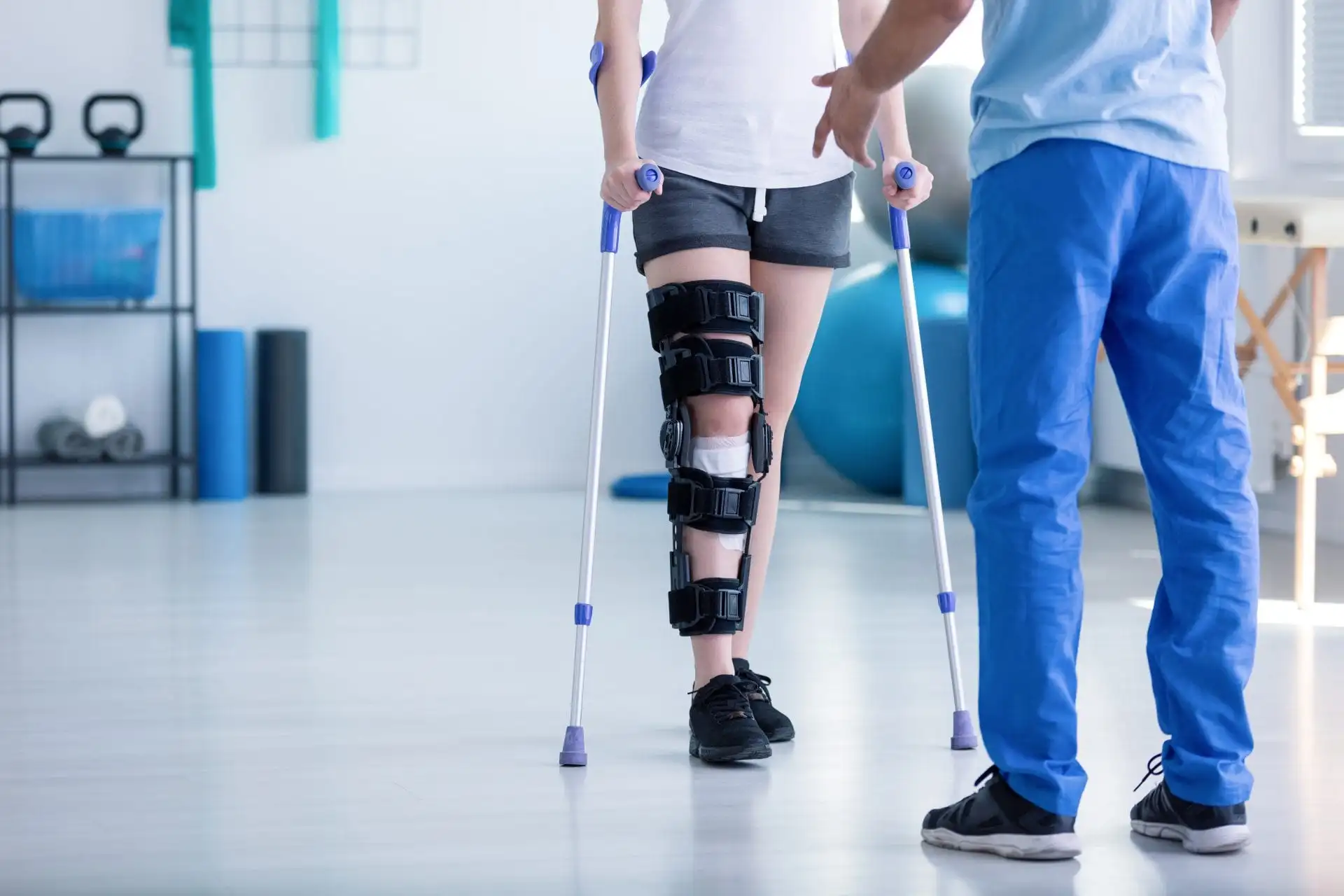
Recovery from injury, physical strain, or age-related changes is not always a simple process. Traditional care often focuses on controlling symptoms, improving comfort, and helping people maintain daily function. Regenerative approaches introduce another area of interest by focusing on biological processes associated with tissue repair and recovery.
As regenerative medicine continues to develop, patients are becoming more interested in understanding what these therapies involve, where the research currently stands, and how they may fit alongside established medical care. Rather than viewing regenerative treatment as a guaranteed solution, it is more useful to understand it as an evolving field with potential applications that vary depending on the condition and the individual.
Understanding The Idea Behind Regenerative Care
Regenerative medicine focuses on approaches designed to support, replace, repair, or regenerate damaged cells and tissues. The field includes several areas of research and treatment, with stem cell-based approaches receiving considerable attention.
Researchers are especially interested in stem cells since certain varieties may become specialized cells. Scientists are studying how these properties could potentially be applied to tissue damage, degenerative conditions, and other medical challenges.
People researching regenerative options in specific communities may encounter resources such as https://stemcellpowernow.com/stem-cell-therapy-malibu-california/ while learning about available services. However, anyone considering a regenerative procedure should discuss the evidence, regulatory status, possible risks, and realistic expectations with a qualified healthcare professional before making a decision.
Looking Beyond Temporary Symptom Management
Many conventional treatments are designed to reduce pain, inflammation, stiffness, or other symptoms. These approaches can be valuable and, in many cases, remain important parts of an effective recovery plan.
Regenerative medicine is being investigated from a different perspective. Researchers are interested in whether certain biological therapies can influence the environment surrounding damaged tissues or contribute to repair-related processes.
This distinction does not mean regenerative approaches should automatically replace established treatments. Physical therapy, medication, exercise programs, lifestyle modifications, and conventional medical procedures may still play important roles. In some situations, recovery may involve several complementary strategies rather than one isolated treatment.
Supporting Function During The Recovery Process
Restoring function can mean different things depending on the individual. For an athlete, it may involve returning to training. For an older adult, it might mean moving comfortably enough to remain independent. Someone recovering from an injury may simply want to perform everyday activities with greater confidence.
For this reason, treatment planning should focus on meaningful functional goals rather than promises of dramatic results. Mobility, strength, flexibility, stability, and tolerance for everyday activity can all be considered when evaluating progress.
Rehabilitation can also remain important when regenerative procedures are being considered. Carefully planned movement and strengthening programs may help patients rebuild physical capacity while healthcare professionals monitor their response.
Why Personalized Assessment Matters?
No two injuries or health situations are exactly alike. Age, overall health, previous injuries, activity level, medications, severity of tissue damage, and underlying medical conditions can all influence treatment decisions.
Whether someone is a suitable candidate for a certain strategy may be determined with the aid of a comprehensive evaluation. It can also identify situations where another treatment may be more suitable.
Patients should be cautious of claims suggesting that one regenerative procedure can reliably treat a long list of unrelated conditions. Evidence varies significantly among therapies and medical applications. Asking about published research, expected outcomes, possible complications, treatment alternatives, and follow-up care can provide a more realistic understanding of what is being offered.
Setting Realistic Expectations
One of the most important parts of regenerative care is understanding its limitations. The term “regenerative” can sound as though damaged tissue can simply be restored to its original condition. Biology is considerably more complicated.
Outcomes can vary between individuals, and some regenerative applications remain experimental or have limited clinical evidence. Improvement, when it occurs, may also take time and may not mean complete restoration of tissue or function.
Patients should therefore look for providers who communicate uncertainty clearly. Responsible medical discussions should cover both potential benefits and limitations instead of relying on guarantees.
Combining Regenerative Strategies With Healthy Recovery Habits
Medical treatment is only one part of recovery. Sleep, nutrition, appropriate physical activity, rehabilitation, and management of existing health conditions can influence how effectively a person returns to normal activity.
A coordinated approach may involve physicians, rehabilitation professionals, and other healthcare specialists working toward shared functional goals. Progress can then be evaluated according to practical improvements rather than relying exclusively on how someone feels immediately after a procedure.
Consistency also matters. Recovery often develops gradually, particularly when muscles, joints, tendons, or other structures have been affected for a long period.
Moving Toward Evidence-Based Regenerative Medicine
Regenerative medicine continues to attract scientific interest because of its potential to expand the ways healthcare professionals approach tissue damage and recovery. Ongoing research is helping clarify which therapies may be useful, which patients may benefit, and where limitations remain.
For patients, informed decision-making is essential. Regenerative approaches are most responsibly considered through careful medical evaluation, realistic expectations, and an understanding of the available evidence.
Ultimately, restoring function is not simply about pursuing the newest treatment. It is about choosing an appropriate recovery strategy that considers the individual, the condition, established medical options, emerging research, and long-term functional goals.