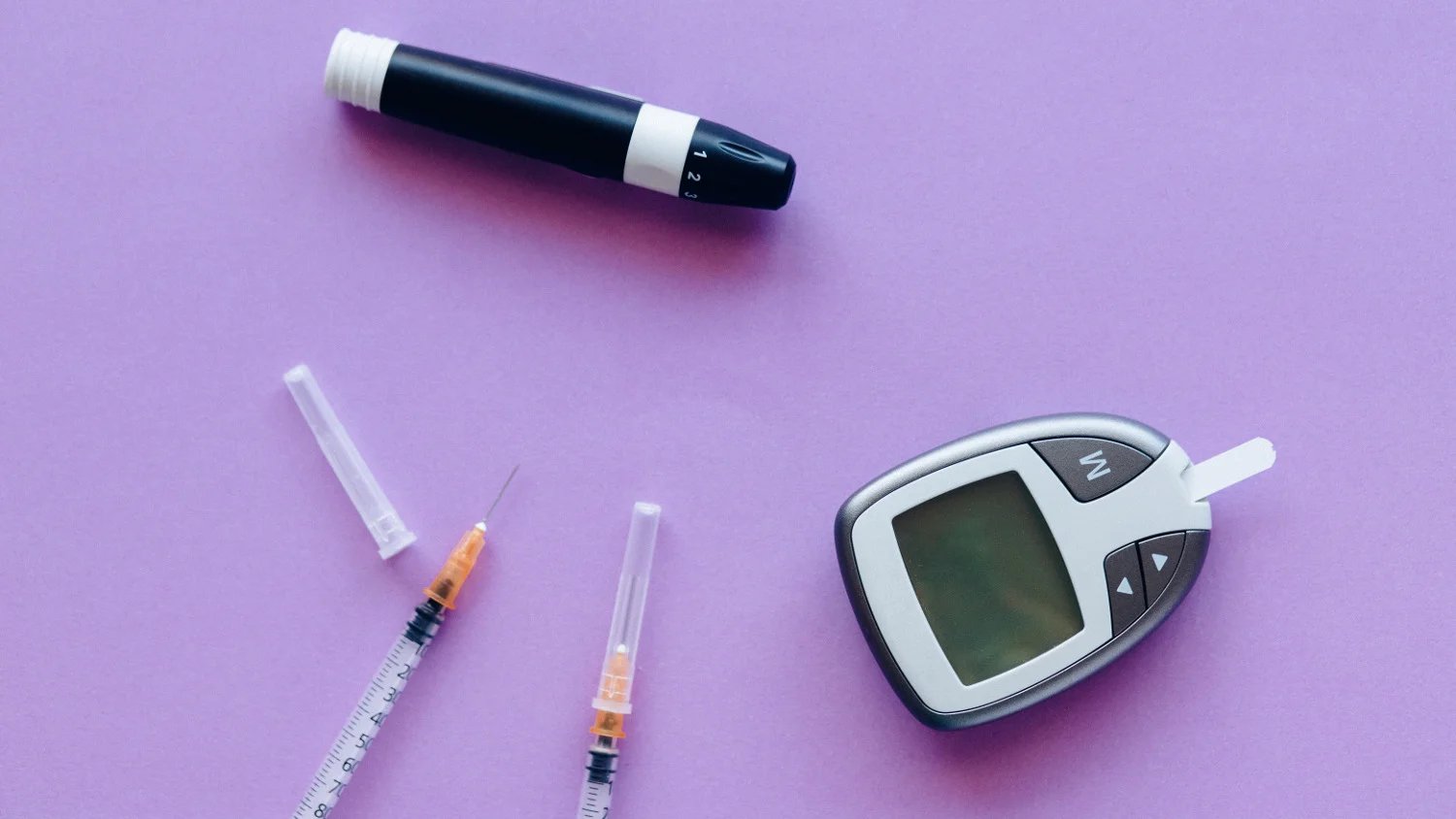
Diabetes management often requires keeping a regular supply of testing materials on hand. However, circumstances can change quickly. A new glucose meter, an updated prescription, changes in insurance coverage, or adjustments to a testing routine can leave people with unopened boxes of test strips they no longer need. Instead of allowing these supplies to sit forgotten in a cabinet until they expire, it is worth understanding the available options.
Unused test strips can sometimes retain value when they are unopened, properly stored, and within an acceptable expiration period. Knowing what to check and what choices are available can help people make a practical decision about surplus supplies.
Start by Checking the Condition
Before deciding what to do with extra test strips, inspect each box carefully. Unopened and factory-sealed boxes are generally the most suitable for reuse or resale because the contents have remained protected.
Make sure you also check the expiration date. Expiration dates are important because test strips are only supposed to give accurate readings for a certain amount of time. Boxes that have more time left before they go bad might be more useful than boxes that are getting close to their expiration date.
Packaging condition is another consideration. Boxes that are crushed, torn, opened, stained, or otherwise damaged may not be accepted by organizations or businesses that handle unused testing supplies. Keeping extra supplies in a clean, dry location can help preserve their condition.
Consider Whether You May Need Them Later
Having extra supplies does not necessarily mean they need to be given away or sold immediately. Consider whether your current testing routine is likely to change again.
For example, someone who temporarily switches meters may later return to an older device. Others may simply have received several boxes at once and will eventually use them. Before parting with supplies, confirm that they are genuinely surplus and that keeping them is not important for your ongoing diabetes management.
Avoid selling or giving away anything you currently need or expect to need.
Explore Donation Opportunities
Donation may be an option for certain unused diabetes supplies. Community organizations, charitable programs, and other eligible groups may accept unopened products that meet their requirements.
Acceptance policies can vary considerably. Some organizations may require a minimum amount of time remaining before expiration, while others may only accept particular brands or types of supplies. Contacting an organization before sending anything can prevent unnecessary shipping and confusion.
Donation can be particularly appealing to people who are primarily interested in preventing usable supplies from going to waste.
Selling Eligible Test Strips
Another possibility is selling eligible unopened test strips to a business that purchases surplus diabetes supplies. This can provide a way to clear unused products from the home while potentially receiving money for items that would otherwise remain unused.
Before choosing a buyer, review its requirements carefully. People researching this process may come across resources such as More Cash For Test Strips FAQs when looking for information about eligibility, accepted products, shipping procedures, payment, and other common questions.
It is important to understand the terms before sending supplies. Check which brands are accepted, minimum expiration requirements, packaging standards, payment policies, and shipping instructions. Clear information can make the transaction easier and reduce the likelihood of a box being rejected.
Avoid Throwing Away Usable Supplies Too Quickly
When people discover old testing supplies in a drawer or closet, throwing them away may seem like the simplest solution. However, unopened and unexpired boxes may still have potential value.
Taking a few minutes to inspect the supplies can reveal whether donation or resale is possible. This also helps reduce unnecessary waste by giving eligible products another possible use.
Expired, opened, contaminated, or badly damaged products should be treated differently. Follow appropriate local guidance when disposing of medical supplies rather than assuming every item can be donated or sold.
Keep Future Supplies Organized
A little organization can help prevent surplus supplies from accumulating. Arrange test strip boxes according to expiration date and use those expiring sooner first. Periodically checking your inventory can also help you notice excess products well before they become unusable.
If your meter, prescription, or testing routine changes, review your remaining supplies at the same time. Dealing with surplus boxes promptly provides more options than discovering them shortly before expiration.
Making a Practical Decision
Unused diabetic test strips do not always have to remain forgotten at home. Depending on their condition, expiration date, and your future needs, you may be able to keep them, donate them, or sell eligible unopened boxes.
The key is to act before the supplies expire. Check the packaging, understand the requirements of any organization or buyer you are considering, and choose the option that makes the most sense for your situation. A small amount of planning can turn unused supplies into something useful rather than allowing them to go to waste.