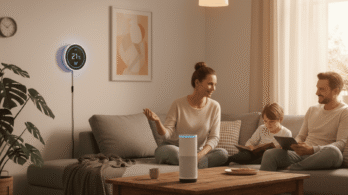
Homes designed with open windows, breezy layouts, and fluid transitions between indoor and outdoor spaces are refreshing, airy, and inviting. These spaces, which let sunlight and fresh air flow freely throughout the house, feel organic and calm. However, this openness also introduces additional factors that affect upholstered furniture and fabrics. Dust, pollen, humidity, sunlight, and increased foot traffic all contribute to how upholstery ages. To keep furniture looking clean, vibrant, and comfortable, thoughtful fabric protection strategies are essential. Homeowners who enjoy open-window living often rely on Ultra-Guard Fabric Protection to help their upholstery withstand sunlight, airflow, and outdoor dust without sacrificing softness or appearance.
Understanding The Challenges Of Indoor-Outdoor Living
When a home is connected to outdoor patios, gardens, pools, or porches, there is often more movement through doors and hallways. Sand, soil, pollen, and other particles travel indoors on clothing, shoes, or paws. These fine particles settle into upholstery and can create subtle abrasion over time. Even if the furniture does not look noticeably dirty, this buildup can slowly wear down fibers and cause the fabric to appear dull.
Additionally, open windows invite warm sunlight into the home. While natural light enhances room ambiance, prolonged exposure can fade colors and reduce fabric strength. Over time, sunlight can cause uneven fading, especially on sofas or chairs placed near windows or sliding glass doors.
Humidity is another factor in certain climates. Moist or salty air near beaches, lakes, or warm regions can cause fabrics to absorb moisture and hold onto odors.
The Role Of Fabric Protection In Open-Air Spaces
Fabric protection helps create a breathable barrier over upholstery fibers. This barrier does not change the texture or color of the fabric. Instead, it helps minimize how quickly dirt, dust, oils, and liquids are absorbed. When a spill occurs, the liquid remains on the fabric surface for a longer period, giving time to blot it before it becomes a stain. When the dust settles, it is easier to vacuum away rather than becoming embedded.
In open-window homes, this added layer is particularly valuable because conditions change throughout the day. Exposure to airflow, shifting sunlight, and increased contact from daily activity means fabrics benefit from extra support.
Establishing Smart Placement And Light Control
One of the simplest ways to support fabric longevity is through furniture placement. Avoid placing upholstered seating in direct sunlight for extended periods. If the layout requires it, use sheer curtains, UV-filtering films on glass, or adjustable blinds to reduce the intensity of light during peak hours.
Even subtle shade makes a difference in preventing fading and maintaining fabric vibrancy.
Regular Cleaning As A Preventive Habit
Routine care becomes easier when fabric is protected, but consistency still matters.
Key habits include:
- Vacuum upholstery once a week to remove pollen, pet hair, and outdoor dust.
- Shake out throw pillows and blankets to prevent dirt buildup.
- Rotate cushions regularly to distribute wear in high-use areas.
- Blot spills immediately, never rubbing them deeper into the fibers.
These simple steps help slow long-term wear and maintain a fresher look.
Consider Outdoor-Appropriate Fabrics For Transition Spaces
For rooms that blend indoors and outdoors—like sunrooms, screened patios, or lounge spaces near sliding doors—it may help to use performance fabrics. These textiles are designed to resist fading, moisture, and frequent cleaning. When combined with fabric protection services, these fabrics remain attractive and durable in spaces that get heavy use.
Professional Fabric Protection For Long-Lasting Results
While spray-on products exist, professional-grade fabric protection provides deeper, longer-lasting coverage. Professionals evaluate the type of upholstery material and apply the correct formula for optimal performance. This ensures the treatment bonds properly and does not affect the appearance of the fabric.
For homes with open-window living, where conditions are dynamic, the reliability of professional application can make a noticeable difference.
Final Thoughts
Open-window and outdoor-connected homes offer a relaxed and refreshing lifestyle, but they also require thoughtful care when it comes to upholstery. By combining fabric protection, light control, regular cleaning habits, and smart material choices, homeowners can maintain beautiful, long-lasting furniture that matches the ease and comfort of their living environment. With the right strategies, your home can stay both breezy and beautifully preserved.