Riding across open fields, woodland trails, uneven tracks, and other outdoor environments can place very different demands on a vehicle. A machine that feels comfortable on smooth ground may struggle when the surface becomes loose, steep, wet, or irregular. This is why a well-designed electric quad bike is about more than motor power. Its tyres, suspension, frame, braking system, weight distribution, and power delivery all contribute to how confidently it can handle changing terrain.
For riders exploring different outdoor environments, understanding these design characteristics can make it easier to recognise what separates a capable machine from one intended primarily for smoother recreational areas.
Tires That Match Changing Ground Conditions
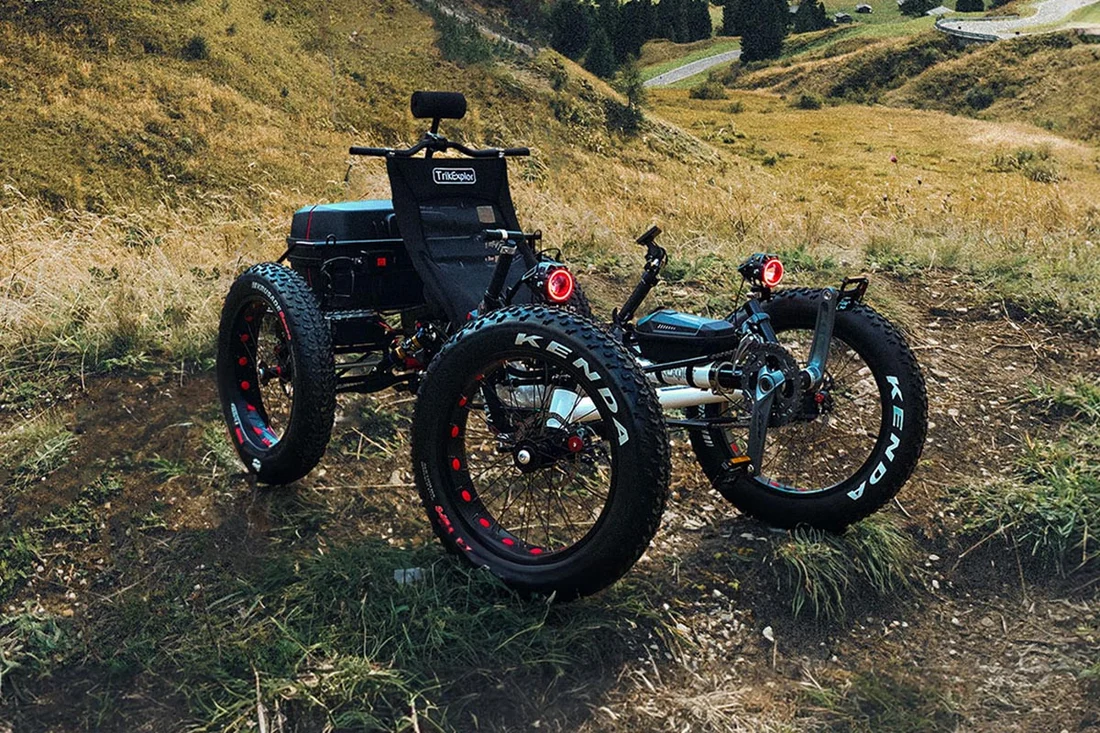
Tires form the direct connection between the vehicle and the ground. On grass, dirt, gravel, and uneven trails, tread design can have a significant influence on traction. Deep or appropriately spaced tread patterns can help the tyres maintain grip where smoother tyres may slip.
Tire width is another consideration. Wider tyres can distribute weight across a larger contact area, which may be useful on softer surfaces. Many Quad Bikes therefore use tyres designed specifically to provide stability and traction beyond ordinary paved surfaces.
Good tyres do not simply improve performance. Predictable grip can also help riders maintain better control when terrain conditions suddenly change.
Suspension That Absorbs Uneven Surfaces
Outdoor trails rarely remain perfectly flat. Small holes, bumps, stones, roots, and elevation changes can create continuous movement underneath the wheels.
A properly designed suspension system helps absorb some of these irregularities before they are transferred directly to the rider. This can make riding more comfortable while helping the wheels maintain better contact with the surface.
Suspension performance becomes especially important when moving between firm ground and rougher sections. Instead of requiring the rider to compensate for every bump constantly, the machine can respond more effectively to variations underneath it.
Controlled Electric Power Delivery
One interesting characteristic of Electric Quad Bikes is the way electric motors deliver power. Electric drive systems can provide responsive acceleration without waiting for a traditional combustion engine to build power through higher engine speeds.
However, usable performance involves more than rapid acceleration. A well-designed model should allow the rider to apply power progressively and maintain control. Smooth throttle response can be particularly valuable when navigating loose soil, inclines, or tight sections where excessive acceleration may reduce traction.
The combination of responsive power and predictable control can therefore be more valuable across mixed terrain than simply having the highest possible top speed.
Ground Clearance For Obstacles
Ground clearance is easy to overlook until a trail becomes rough. Rocks, raised soil, roots, and deep ruts can come into contact with the underside of a vehicle that sits too close to the ground.
Adequate clearance gives a quad more room to travel over small obstacles without its lower components making contact. Frame construction and component placement also matter because vulnerable parts should be appropriately positioned and protected for the intended riding environment.
This is one area where quad design differs significantly from Dirt Bikes, since four-wheel machines have a wider structure and different requirements for navigating obstacles.
Stable Weight Distribution
Stability is influenced by how weight is positioned throughout the vehicle. Batteries are relatively heavy components, so their placement can affect balance and handling.
Thoughtful battery positioning can help create a lower and more balanced centre of gravity. This can contribute to predictable handling during turns and when travelling across irregular ground. However, riders should always follow manufacturer guidance regarding gradients, terrain limitations, speed, and safe operation.
Braking That Provides Predictable Control
Different surfaces provide different levels of traction. Braking sharply on loose gravel can produce a very different response from braking on dry, compact ground.
A capable electric quad therefore needs a braking system that gives the rider predictable control. Braking performance should work together with appropriate tyres and balanced handling rather than being considered as an isolated feature.
Building Capability Through The Complete Design
No individual specification determines whether an electric quad bike will perform well across varied terrain. A powerful motor cannot compensate for unsuitable tyres, while excellent suspension cannot replace effective brakes or balanced construction.
The strongest designs bring these characteristics together. Appropriate tyres create traction, suspension manages uneven ground, clearance provides room for obstacles, controlled power supports manoeuvrability, and dependable brakes help the rider regulate speed.
Ultimately, suitability for different terrain comes from how effectively the entire vehicle works as one system. Choosing a quad designed for the intended environment, while respecting its operating limits and safety guidance, can provide a more controlled and enjoyable outdoor riding experience.