A guest room should make visitors comfortable without becoming a space that remains unused most of the year. Practical guest room ideas combine good sleep, accessible storage, useful lighting, privacy, and enough flexibility for the household between visits.
The strongest room does not need hotel-style decoration. Guests care more about a comfortable bed, clean bedding, a place for belongings, easy access to outlets, and simple information about the home.
Begin by spending a night in the room or using it for several hours. Notice light, noise, temperature, mattress comfort, privacy, and whether basic items are easy to find.
Homeowners exploring furniture assembly, cleaning, decorating, or household service categories may find planning ideas through regional home and household listings. Local providers should still be checked according to the work required.
A welcoming room feels prepared without feeling formal. It gives visitors enough independence while remaining connected with the rest of the home.
Guest Room Ideas Focused On Better Sleep
Sleep quality shapes the entire visit. Bedding, light control, temperature, and noise deserve attention before decoration.
Build A Comfortable Bed With Simple Layers
Use a supportive mattress suited to the bed frame.
Choose clean bedding that is easy to wash and replace.
Provide more than one pillow type when possible. Different guests prefer different levels of support.
Layer a light blanket and a warmer option so visitors can adjust comfort without asking.
Keep decorative pillows limited. Guests should not need to move a large pile before sleeping.
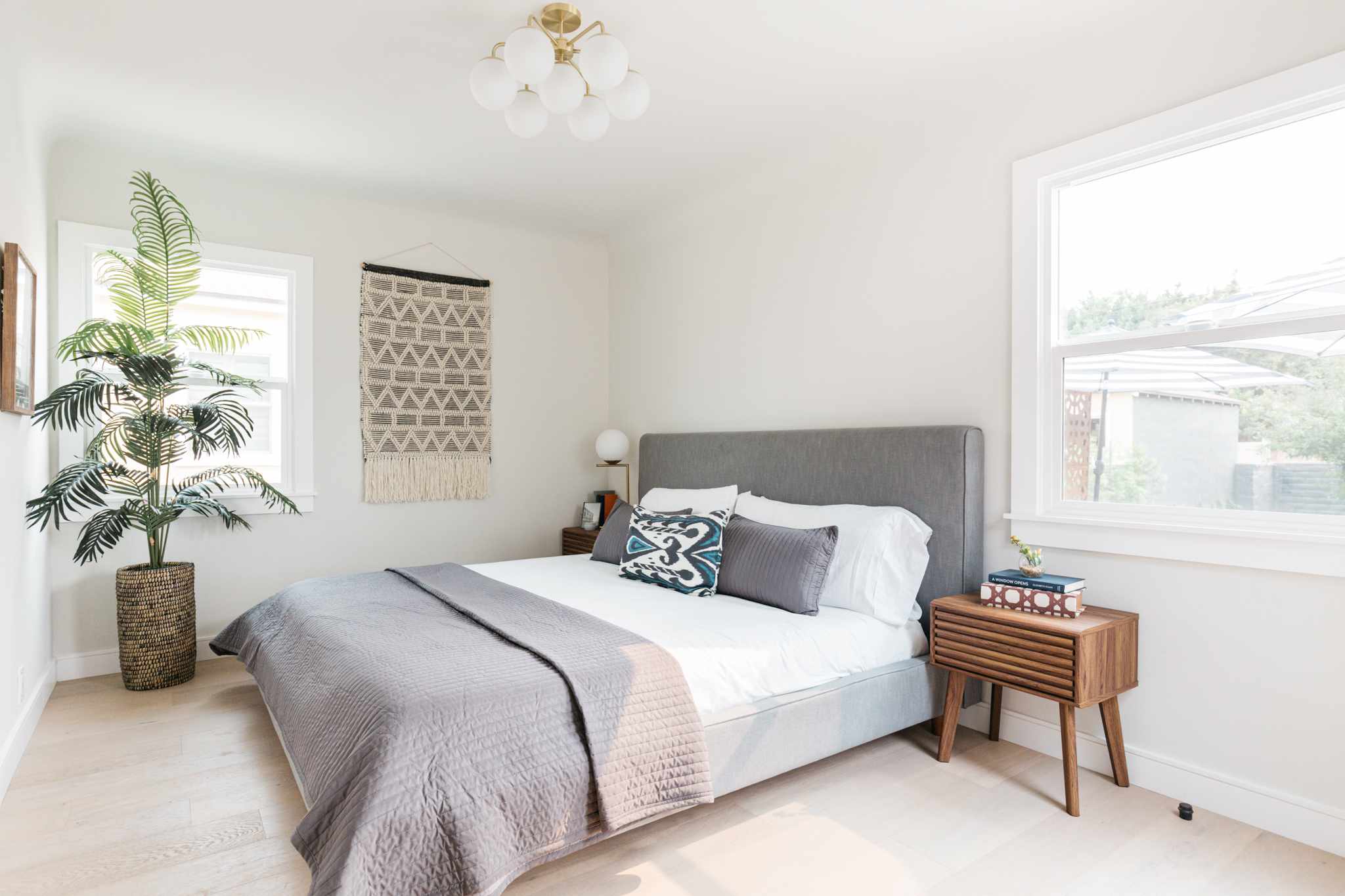
A simple bed with fresh sheets, two pillow choices, and one folded blanket often feels more welcoming than a highly decorated arrangement.
The counterintuitive lesson is that fewer decorative layers can create more comfort because the room becomes easier to use.
Control Light And Evening Comfort
Window coverings should provide privacy and suitable light control.
Some guests prefer a darker room, while others wake more comfortably with natural light. Layered coverings may provide both options.
Add a bedside lamp that can be reached without getting out of bed.
Keep a clear path between the bed, door, and bathroom route.
Homeowners comparing window treatment, lighting, furniture, or household categories may browse local property service listings while building a nearby shortlist.
Check room temperature before guests arrive. A fan, extra blanket, or simple adjustment can prevent discomfort.
Give Guests Space For Personal Belongings
Visitors need room for clothing, luggage, toiletries, devices, and small daily items.
Clear Part Of The Closet And Drawers
A guest room should not offer a closet packed with household storage.
Leave a section of hanging space and several empty hangers.
Clear one or two drawers when possible.
Place luggage on a bench, rack, or clear floor area.
Avoid making guests move boxes before using storage.
A room used for household overflow can still welcome visitors when one defined section remains available.
The less obvious benefit is reducing visual clutter. Empty storage makes the room feel prepared rather than borrowed.
Provide Useful Bedside Space
Each side of the bed should have a reachable surface when space allows.
A small table, shelf, or stool can hold glasses, a phone, water, or medication.
Keep outlets accessible.
Add a tray for small belongings.
A regional furniture and household directory may help families identify local categories connected with assembly, storage, decorating, or property support.
Do not fill every surface with decoration. Guests need room for their own items.
Add Practical Details That Reduce Questions
Small information and comfort choices help visitors feel independent.
Prepare A Simple Welcome Area
Provide clean towels in a visible location.
Add water, tissues, a small wastebasket, and basic information guests may need.
A written note can include Wi-Fi details, household schedules, or directions to commonly used rooms.
Keep information brief.
A small basket may hold travel-size essentials for forgotten items.
The surprising point is that practical details often feel more welcoming than expensive decoration.
Make Nighttime Movement Easier
Guests may not know the layout after dark.
Use a low night-light in the hallway or near the bathroom route when suitable.
Keep floors and paths clear.
Avoid furniture with sharp corners in narrow walking areas.
Families exploring cleaning, lighting, or household support may review regional home service listings while comparing nearby providers.
Check that doors, locks, and switches are easy to understand.
A guest should not need to search for light while moving through an unfamiliar home.
Keep The Room Useful Between Visits
A guest room can support work, reading, exercise, hobbies, or household storage when the secondary use remains easy to clear.
Choose Flexible Furniture
A desk may support remote work while serving as a guest writing surface.
A daybed or sleeper option may help in smaller homes when comfort remains suitable.
A storage bench can hold bedding and provide luggage space.
Use furniture that changes function without requiring major rearrangement.
Avoid filling the room with permanent equipment that makes sleeping feel secondary.
The strongest multipurpose room changes back to guest use within a short time.
Create A Pre-Arrival Reset
Wash bedding, dust surfaces, empty wastebaskets, and check lighting.
Clear personal work materials.
Review the closet and drawers.
Test outlets, window coverings, and room temperature.
Place towels and basic supplies where they are easy to see.
A short checklist prevents last-minute searching.
The less obvious step is checking the room from the doorway. First impressions reveal clutter that becomes invisible during everyday use.
Conclusion
A welcoming guest space should support sleep, privacy, storage, and easy movement before decoration receives attention. Clean bedding, adjustable comfort, clear surfaces, and accessible lighting create a strong foundation.
Useful guest room ideas give visitors enough independence to settle in without asking for every small need. Leave closet space, provide reachable outlets, keep nighttime paths clear, and offer simple household information.
If the room serves another purpose, choose furniture and storage that can reset quickly. Avoid treating guests as temporary obstacles in a room filled with household overflow.
The best guest room feels calm because it is prepared, not because it is elaborate.
Frequently Asked Questions
What should every guest room include?
Provide comfortable bedding, useful lighting, privacy, accessible outlets, clear storage, towels, water, and an open path through the room.
How many pillows should be placed on a guest bed?
Offer enough for comfort without creating a large decorative pile. Different pillow types can help guests choose suitable support.
Should a guest room closet remain empty?
It does not need to be empty, but guests should have clear hanging space, several hangers, and room for luggage.
Can a guest room also serve as a home office?
Yes. Use flexible furniture and storage that allows work materials to be cleared before visitors arrive.
What window coverings work well in guest bedrooms?
Choose coverings that support privacy and flexible light control. Layering may provide both filtered daylight and a darker sleeping environment.
How can guests find the bathroom safely at night?
Keep the route clear and consider soft night lighting in unfamiliar hallways or near changes in direction.
What small items make guests feel more comfortable?
Tissues, water, towels, a wastebasket, simple household information, extra blankets, and basic forgotten-item supplies can help.
How soon should a guest room be prepared?
Complete the main reset before arrival so bedding, storage, lighting, temperature, and supplies can be checked without rushing.