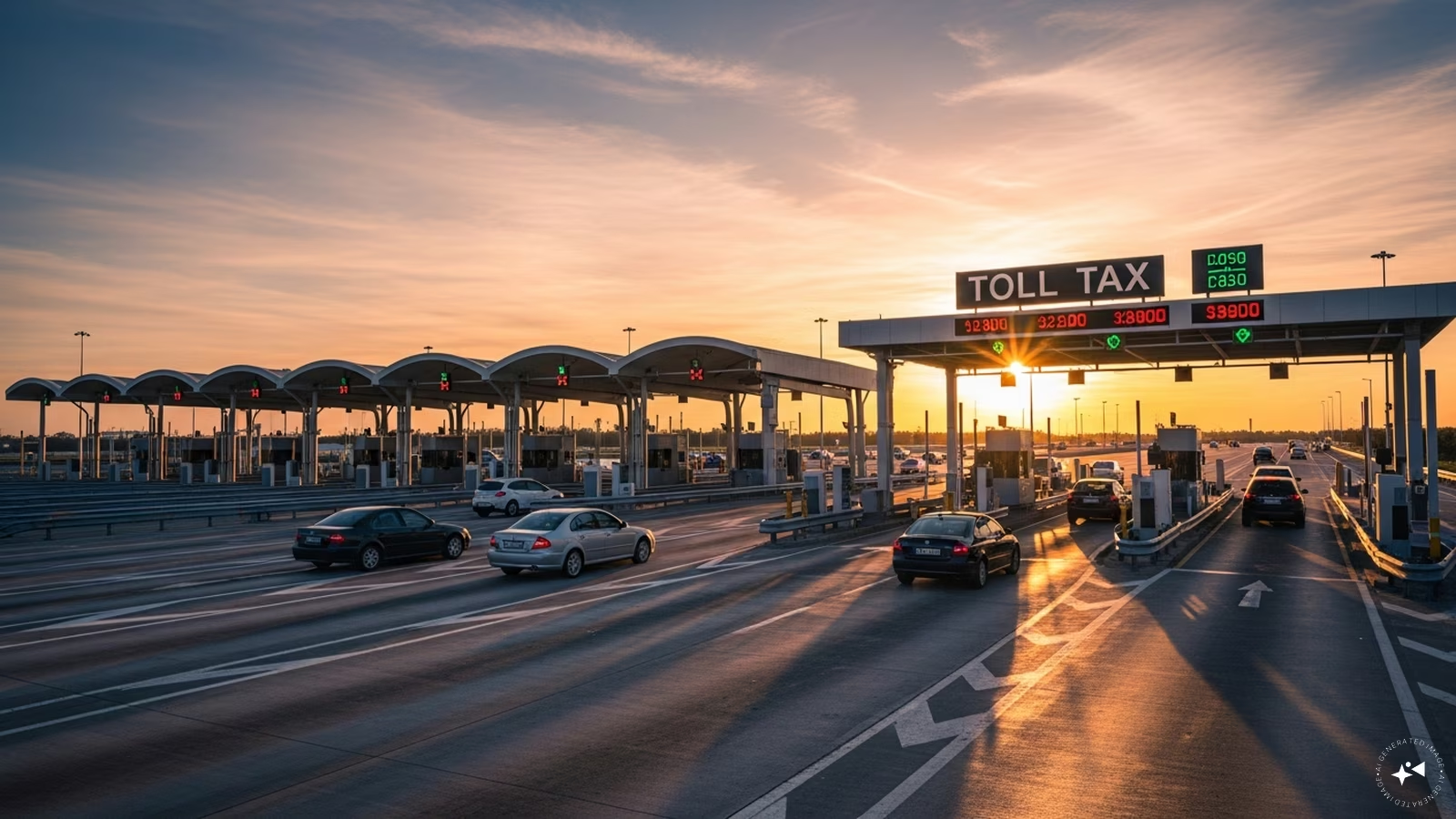
Highway tolls are a regular expense for many American commuters. Bridges, tunnels, express lanes, turnpikes, and managed highways may charge drivers each day. Small toll amounts can become a significant monthly cost when repeated during work travel.
Toll systems differ between states and regions. Some roads accept cash, while others use electronic passes, license-plate billing, mobile accounts, or completely cashless collection.
Daily transportation expenses should be considered with fuel, insurance, parking, maintenance, housing costs, and home insurance planning. Understanding toll rules can help commuters avoid unnecessary fees and late-payment problems.
The best approach is to know the route, select the correct payment method, and review account activity regularly.
Identify Toll Roads Before Traveling
Review the route before beginning a new commute.
Navigation applications may show toll roads.
Check whether toll-free alternatives exist.
A free route may be longer or slower.
Compare time, fuel use, distance, and toll cost.
The cheapest route is not always the most practical.
A toll road may reduce travel time.
Heavy traffic can remove that advantage.
Test several routes.
Record typical travel time.
Consider weather and construction.
Do not make sudden lane Changes after noticing a toll entrance.
Understand Electronic Toll Passes
Electronic passes may allow automatic toll payment.
Some systems offer lower rates than license-plate billing.
Review account requirements.
Understand prepaid balances.
Check whether automatic replenishment is available.
Confirm which states or roads accept the pass.
Regional compatibility has improved in many areas, but acceptance is not universal.
Keep account information current.
Update payment cards before they expire.
Check vehicle and license-plate details.
Incorrect information may create billing problems.
Families managing transportation with new household expenses may find useful budgeting guidance through first-home financial resources.
Mount the Toll Device Correctly
Electronic transponders should be installed according to provider instructions.
Incorrect placement may prevent proper reading.
Clean the mounting area.
Use approved materials.
Do not move one device between vehicles unless the account rules allow it.
Some vehicles contain special windshield areas for electronic equipment.
Check the owner’s manual.
Motorcycles may use different placement instructions.
Keep the device secure.
A loose transponder can become damaged or fail to register.
Register Every Vehicle
Add current vehicle information to the toll account.
Include the correct license-plate number.
Check state and vehicle type.
Update details after buying, selling, or transferring a vehicle.
Remove vehicles no longer owned.
Do not leave an old plate connected with the account.
If a temporary plate changes to a permanent plate, update the record.
Keep confirmation information.
Account errors may be difficult to correct after several months.
Maintain Enough Account Balance
Prepaid toll accounts may require a minimum balance.
Low funds can trigger additional notices or convert transactions to higher-cost billing.
Enable alerts.
Use automatic replenishment when it fits the household budget.
Review the funding amount.
Frequent commuters may need a larger reserve.
Avoid connecting payments to an account that regularly lacks funds.
Update expired cards promptly.
Keep a backup payment option available.
Review Toll Statements
Check account activity at least once each month.
Look for duplicate charges.
Confirm vehicle information.
Review unusual locations.
Check fees.
Report errors according to provider procedures.
Do not assume every charge is correct.
Keep records of disputed transactions.
Compare toll expenses with the commuting budget.
Small daily changes can affect annual costs.
Drivers organizing household records may find practical ideas through home management and organization resources.
Learn Cashless Toll Rules
Many toll roads no longer accept cash.
Cameras may record license plates.
A bill may be mailed to the registered owner.
Rates can differ from electronic-pass pricing.
Administrative fees may apply.
Keep registration addresses current.
A notice sent to an old address can become overdue.
Rental vehicles may use separate billing methods.
Understand costs before entering a cashless toll road.
Do not stop in travel lanes looking for a payment booth.
Pay Toll Notices Promptly
Review mailed or electronic notices quickly.
Check travel date, location, vehicle information, toll amount, and fees.
Pay before the deadline.
Late charges can increase the cost.
Use official payment methods.
Keep confirmation numbers.
Avoid ignoring a notice because the amount is small.
Unpaid tolls may affect registration or create additional collection activity depending on local rules.
Dispute incorrect charges within the allowed period.
Understand Express Lane Pricing
Managed lanes may use changing prices.
Rates can increase during heavy traffic.
Look for electronic signs before entering.
Decide whether the time saving justifies the cost.
Some lanes require electronic payment.
Others may use vehicle occupancy rules.
Do not cross solid lane markings illegally.
Enter and exit only at permitted locations.
Review local requirements.
Carpools may receive discounts in some areas.
Special settings on a transponder may be required.
Compare Monthly Toll Costs
Track toll spending for several months.
Calculate average weekly and monthly costs.
Include parking and fuel.
Compare alternate routes.
A toll-free route may create more fuel use and vehicle wear.
A toll route may save enough time to justify the expense.
Consider occasional remote work or adjusted work hours when available.
Reduced commuting days can lower toll costs directly.
Avoid changing routes based on one unusual traffic day.
Use long-term patterns.
Plan for Interstate Travel
Toll systems vary across state lines.
Check pass compatibility before travel.
Some regions accept the same electronic system.
Others require separate accounts.
Understand bridge and tunnel charges.
Review cashless-road procedures.
Keep enough account balance for the full trip.
Rental cars may add service charges.
Ask before leaving the rental location.
Do not assume personal toll devices can be used in every rental vehicle.
Update Information After Moving
Change the address on the toll account.
Update vehicle registration.
Review insurance and licensing records separately.
Do not assume one update changes every system.
Check payment information.
Confirm email and phone details.
Old addresses may delay bills.
Families moving to a new home can include toll accounts in their relocation checklist.
Drivers can follow home and transportation lifestyle updates while adapting to new commuting routes and expenses.
Avoid Toll-Lane Violations
Follow signs.
Do not enter restricted lanes without required payment equipment.
Respect vehicle occupancy rules.
Do not hide license plates.
Avoid improper transponder use.
Understand motorcycle rules.
Some roads charge different rates according to axle count.
Trailers may increase cost.
Commercial vehicles may use separate requirements.
Legal compliance is less expensive than penalties.
Keep License Plates Visible
Cameras may use plate information for billing.
Keep plates clean.
Do not use covers that block numbers or required details.
Replace damaged plates according to local procedures.
Make sure registration information remains correct.
Temporary plates should be displayed properly.
A missed electronic reading may use plate information as a backup.
Clear identification can support accurate billing.
Watch for Toll Scams
Fraudulent messages may claim that toll payments are overdue.
Avoid opening suspicious links.
Check the account through the official application or known website.
Review actual transactions.
Do not provide payment information through unverified messages.
Look for unusual urgency.
Contact the toll provider using trusted information.
Report suspicious activity.
Keep account passwords secure.
Use available security protections.
Budget for Seasonal Changes
Toll use may increase during school periods, construction, winter weather, or changing work schedules.
Review the budget when commuting patterns change.
Holiday travel may create additional charges.
Temporary detours can shift traffic onto toll roads.
Keep a small transportation reserve.
Update automatic payment amounts when necessary.
Avoid allowing toll costs to become invisible.
Regular review encourages better decisions.
Create a Simple Commuting Routine
Check traffic before leaving.
Confirm account balance.
Use the correct lane.
Avoid last-minute changes.
Review monthly charges.
Update account information after vehicle changes.
Save important contact details.
Daily commuters do not need to think about tolls during every trip when account management remains organized.
American drivers can control highway toll expenses by comparing routes, maintaining accurate accounts, reviewing charges, and paying notices promptly. Good planning reduces avoidable fees while helping commuters choose the route that provides the best balance of time and cost.